Newsletter
Join the Community
Subscribe to our newsletter for the latest news and updates

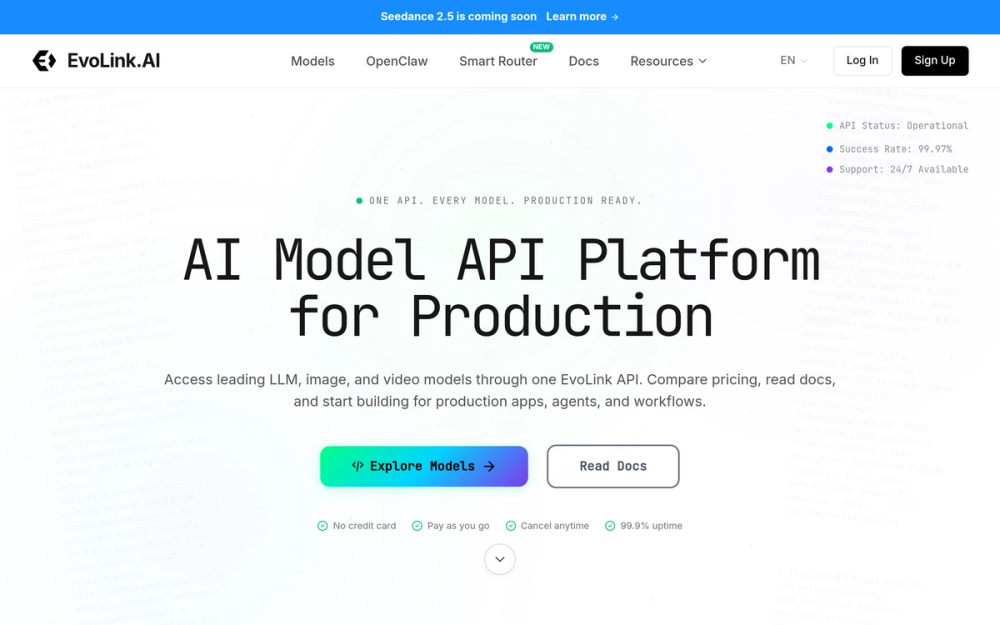
EvoLink is a unified AI model API platform for developers building production apps, agents, and workflows. Access leading LLM, image, video, and audio models through one API, with transparent pay-as-you-go pricing, smart routing, automatic failover, and unified billing.
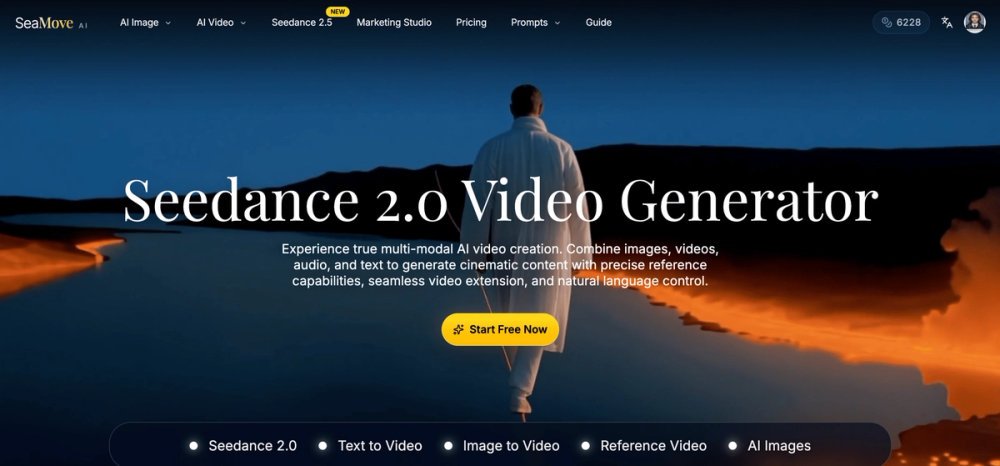
Seedance 2.0 is a cutting-edge AI video generation platform that allows users to create stunning videos using text, images, and audio, making video production accessible and efficient.
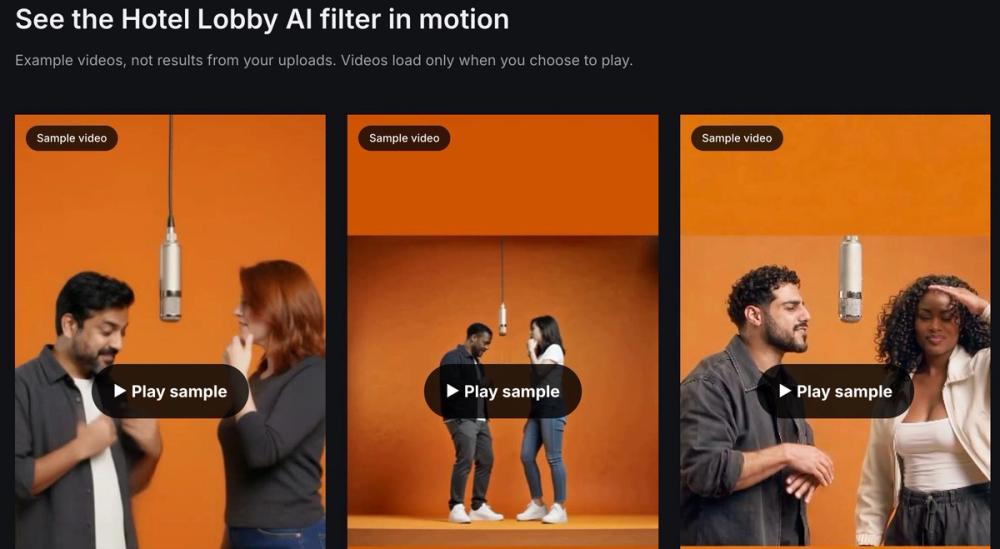
Hotel Lobby AI Filter is a dedicated two-photo AI rap duet generator for social creators. Make 15-second vertical videos with a free 480P preview, 720P or 1080P output, and paid MP4 downloads with the soundtrack.
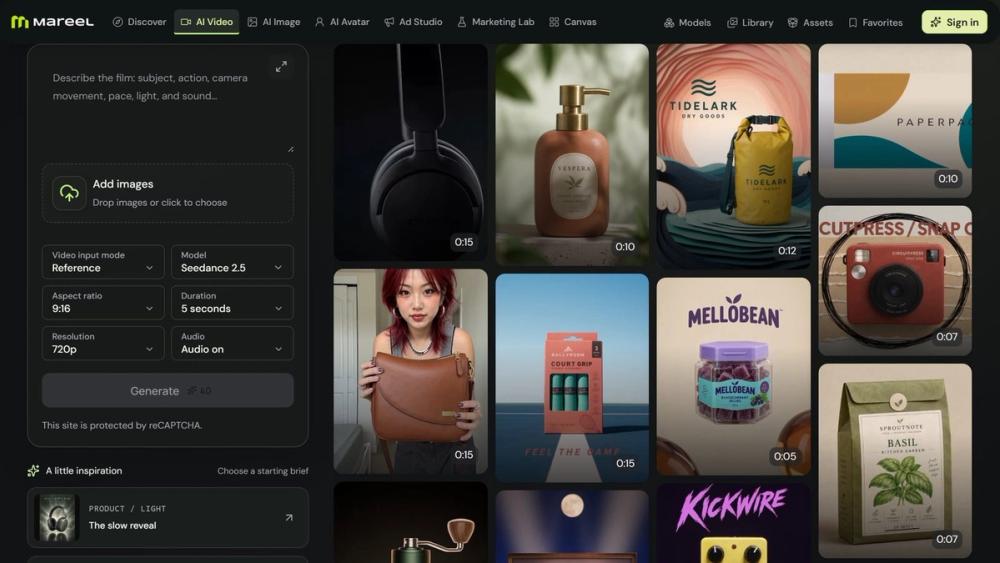
Mareel is an all-in-one AI video and image platform that brings 40+ leading AI models into one workspace. Turn text or images into videos, create and edit images, and produce ad creatives, product photos, and talking avatars without switching tools. Compare models on the same idea, pay from one credit balance, and keep every result in one library. Built for marketers, ecommerce teams, creators, and agencies.
Introduction
EvoLink helps developers build production-ready AI applications through one unified API. It provides streamlined access to leading language, image, video, and audio models, with transparent pricing, intelligent routing, automatic failover, and centralized usage management.
What is EvoLink?
EvoLink is a unified AI model API platform for developers, startups, and engineering teams. Instead of integrating and managing each AI provider separately, users can access multiple models through one API key and a consistent integration workflow.
The platform supports models for text generation, reasoning, coding, image generation and editing, video generation, and AI music. Developers can compare capabilities and pricing, switch models as requirements change, and manage usage and billing from one place.
Features — Why Use EvoLink?
One API for multiple AI models: Access leading LLM, image, video, and audio models without building a separate integration for every provider. Flexible model switching: Change models with minimal application changes as performance, cost, or product requirements evolve. Smart routing: Route requests based on availability, latency, reliability, and cost. Automatic failover: Reduce service interruptions by routing requests away from unavailable or degraded endpoints. Transparent pay-as-you-go pricing: Review model-level pricing and pay according to actual usage, without monthly minimums. Unified billing and analytics: Track API usage, costs, keys, and activity from one dashboard. Developer-friendly integration: Use familiar API formats, documentation, and SDK-compatible workflows to move from testing to production. Multimodal model access: Build with language, image, video, and audio models through the same platform.
Use Cases
AI agents and workflow automation: Power research agents, coding assistants, customer-support agents, and automated business workflows. LLM applications: Build chatbots, copilots, reasoning systems, content tools, and document-processing applications. AI image products: Add image generation, editing, product visualization, marketing creative, and design workflows. AI video applications: Create text-to-video and image-to-video features for advertising, social media, entertainment, and content production. AI music and audio workflows: Generate music and audio assets programmatically for apps, games, and creator platforms. Multi-model evaluation: Compare models by quality, speed, capabilities, and price before selecting one for production. Provider redundancy: Maintain application availability by reducing dependence on a single model provider. Cost and usage management: Centralize model spending, API access, billing, and usage visibility across development teams.